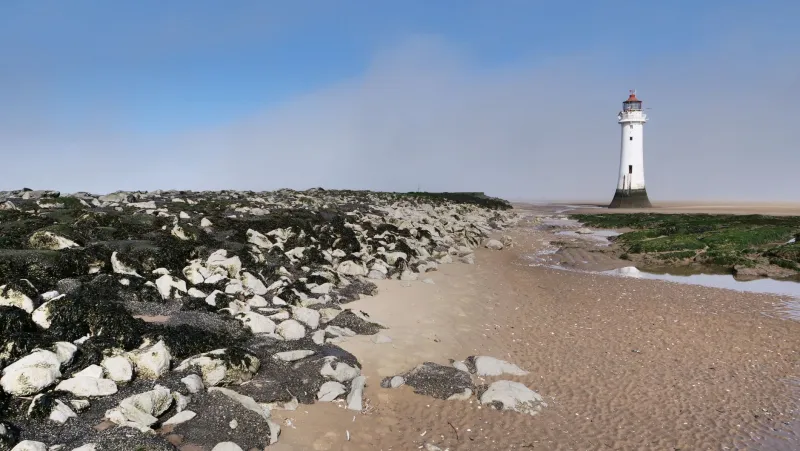
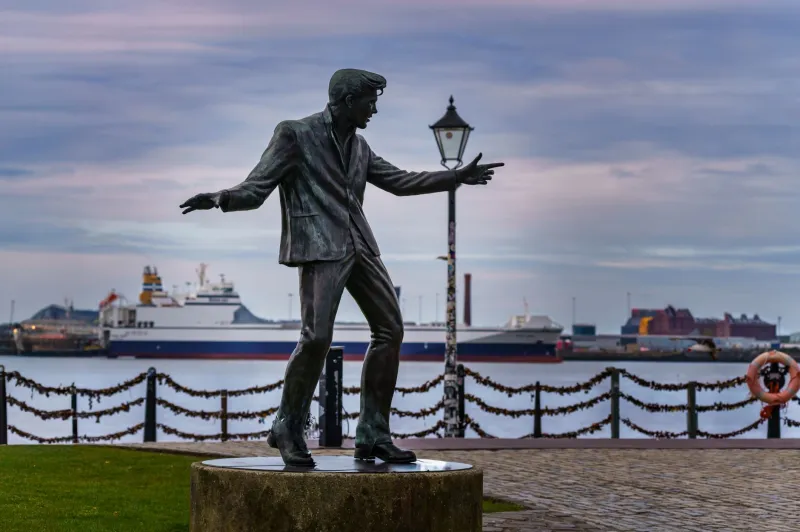
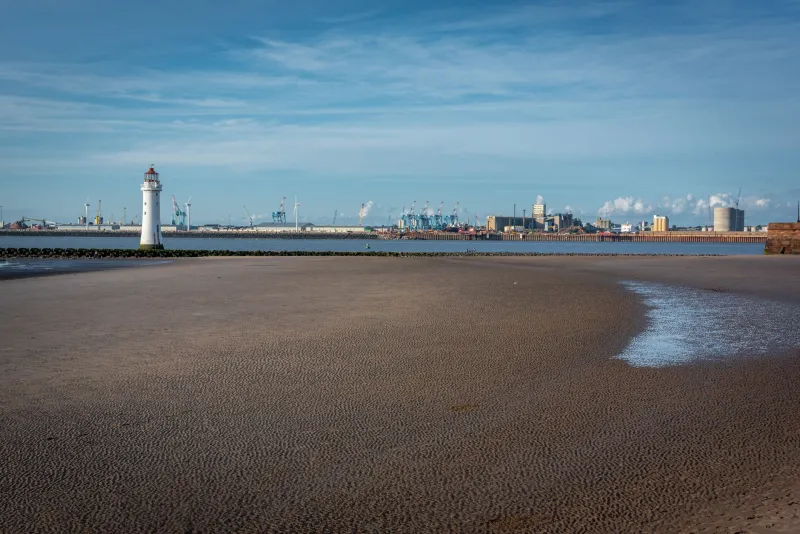
From Frost to Festival: Fort Perch Rock Through the 2026 Calendar
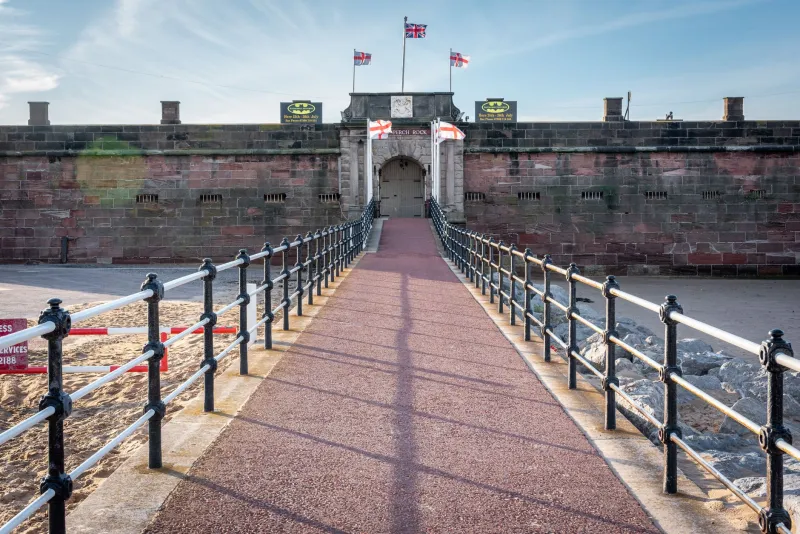
Fort Perch Rock is one of those places that changes character completely with the seasons. In January it is a black silhouette in a grey sea with nobody about. In August you will queue for an ice cream within sight of it. Same building, same rock, entirely different day out.
What follows is a working calendar for 2026, built around the things that actually govern a visit here: tide, light, wind and crowds. Two caveats before we start. Opening times for the fort itself have always varied with the season and with volunteer availability, so check its own listings before you travel rather than trusting any guide, including this one. And tide times shift daily, so always buy or check a proper table for Liverpool (Gladstone Dock) for the day you are going, not the week.
January
Best for: atmosphere, empty promenades, storm-watching from behind a wall.
The fort is at its most elemental now. Low winter sun rakes across the Mersey, the wind comes off the water with nothing to stop it, and the car parks off Kings Parade are almost empty. Big spring tides in the first half of the month are superb for photographs of the rock half-drowned. Expect short days — light is gone by half four — and check that anywhere you fancy for lunch is actually open.
February
Best for: half-term energy, bracing walks, chips eaten quickly.
Half-term brings families back to New Brighton, and Marine Point does a decent trade in coffee and amusements. On the coast itself it is still raw. This is a good month for wrapping up and walking the length of the prom towards Wallasey, then retreating indoors. Keep an eye on the shipping forecast; a westerly gale here is genuinely spectacular from a safe distance.
March
Best for: equinox tides, lengthening light, the first hint of spring.
The spring equinox brings some of the year's biggest tides, which means the causeway to the rock floods dramatically and the low-water window is generous. Kite surfers appear when the wind plays ball. Weekends start to feel busier as people shake off winter, though you can still have long stretches of promenade to yourself on a weekday.
April
Best for: Easter break, family days out, everything waking up.
Easter usually lands in April in 2026, and that is when New Brighton properly switches on: cafés extend their hours, the amusements fill, and the fort's own season tends to get going. Expect crowds on bank holiday weekends and reasonable quiet in between. Weather is a lottery — you can get a genuinely warm afternoon or a hailstorm, sometimes within an hour of each other.
May
Best for: two bank holidays, long evenings, walking weather.
This is quietly one of the best months on this coast. Daylight stretches past nine, the light at either end of the day is lovely, and the crowds are enthusiastic rather than overwhelming. It is a fine time for the walk from New Brighton around to Vale Park, or a longer push along the Wirral Way if you have the legs for it.
June
Best for: early-morning photography, rock pooling, the longest days.
Sunrise before five means photographers can be on the prom, shoot the fort in soft light and be back for breakfast. Big spring tides expose the rock and the surrounding sand, which is when the shoreline gets interesting. Midsummer evenings on the front are hard to beat, and the fort's silhouette against a late sunset is the shot most people come for.
July
Best for: school's-out energy, evenings on the front, ice cream.
Once the schools break up, New Brighton becomes a proper seaside resort again. Parking fills early on sunny days, the prom gets busy, and the fort looks best from a distance with a crowd in front of it. My advice is to come late afternoon, when day-trippers thin out and the light improves. High water can cut the rock off entirely, so plan around the tide rather than fighting it.
August
Best for: full-summer atmosphere, warmest sea, people-watching.
Peak season. Everything is open, everything is busy, and the tide dictates where you can walk. If you want the fort without the crowds, arrive before ten or after six. If you want the buzz, come at two in the afternoon and embrace it. Book any table you care about.
September
Best for: warm water, softer light, fewer people.
The sea is at its warmest and the crowds have gone home. September light is gorgeous — lower, warmer, longer shadows on the rock — and the prom has that end-of-season calm. It is arguably the single best month for a relaxed visit, and the equinox tides return for another dramatic display.
October
Best for: half-term, changing weather, moody skies.
Half-term brings a second family surge, and Halloween tends to animate the town. Out on the water, the first proper depressions roll in, and the fort looks magnificent under a bruised sky. Bring waterproofs rather than an umbrella; the wind will win.
November
Best for: storm photography, king tides, quiet pints afterwards.
As I write this in early November 2026, the coast is doing what it does best at this time of year: dark by half four, big tides, and a prom that belongs to dog walkers and photographers again. The high spring tides this month are some of the largest of the year, and the low sun across the Mersey gives you about ninety minutes of genuinely good light either side of midday. Wrap up properly, keep away from the water's edge when the waves are running, and reward yourself somewhere warm afterwards. If you only visit once this winter, this is the month to do it.
December
Best for: short days, festive bustle, dramatic skies.
Daylight is scarce, so plan around midday. New Brighton has a festive feel, the cafés are warm, and the fort in winter light is quietly photogenic. High tides and rough weather can close paths and flood the approach, so check conditions before setting out and never walk past a closed barrier.
Things that apply all year
Check the tide for Liverpool before every visit, and give yourself a generous margin either side of high water. Wear something with grip; the rock and the promenade get slippery. Merseyrail to New Brighton is the easiest way in from Liverpool, with buses from Birkenhead and Wallasey if you are coming from elsewhere on the Wirral. Pay-and-display parking fills quickly in summer. And remember that the fort is a volunteer-run, weather-dependent kind of place, so a quick look at its listings the night before saves a wasted journey.
Above all, treat the tide as the timetable. Everything else here — crowds, opening hours, light — is negotiable. The water is not.