Names on the Muster Roll: How to Research Family Ties to Fort Perch Rock

Fort Perch Rock looks like a place for a breezy stroll, a few photographs and an ice cream. For family historians, though, it can also be a starting point. If you have a vague family story about a gunner, a militia man, a river pilot or a New Brighton household with a military connection, the fort is a useful anchor for your research. It will not hand you a finished family tree, but it can give your detective work a setting, a timeline and a few prompts.
Start with the names you already have
Before you book a train ticket or open a subscription website, write down what you know. Names, approximate birth years, addresses, occupations and family stories all matter. A relative who was 'at the fort' might have been a soldier, a contractor, a shopkeeper, a mariner or simply a resident of New Brighton. Try to separate memory from evidence.
Look at birth, marriage and death certificates, old photographs, medals, letters and family bibles. Check the backs of photographs for addresses. A street name near the promenade can be as useful as a regimental number. If your family lived in New Brighton, Liscard or Wallasey, the census returns from 1841 to 1921 are the obvious first port of call. The 1921 census is especially rich, and the 1939 Register can help bridge the gap towards more recent family history.
Read the fort as a workplace, not just a monument
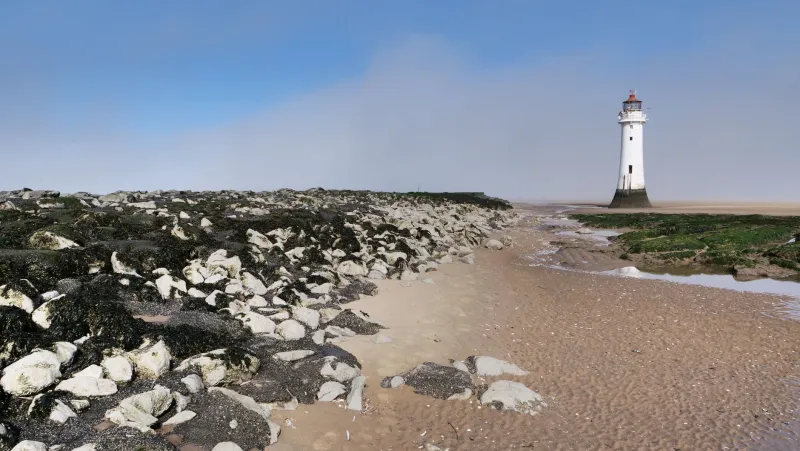
Fort Perch Rock was built between 1825 and 1829 to help defend the Port of Liverpool, and it later had a long life as a military site, museum and events venue. For genealogy, that means you should think about all the people who passed through or lived nearby: regular soldiers, militia and volunteer units, Royal Engineers, coastal artillery personnel, civilian workers and families in the growing resort of New Brighton.
Do not assume every military ancestor was a full-time regular. Britain's defence arrangements relied heavily on part-time and local units at different periods. A family story about 'the artillery' may point to a militia record, a volunteer unit or a wartime posting. Equally, a Mersey pilot, tug crewman or lighthouse keeper may appear in maritime records rather than army ones. The fort's story is also a river story.
Build a paper trail before you travel
A good visit starts online. Use The National Archives' Discovery catalogue to search for names and units, and note the record references you want to follow up. Military service records, discharge papers, pension records and militia material are not all in one place, and many are not online. Subscription sites such as Ancestry and Findmypast are useful, but check whether your local library offers free in-branch access. The British Newspaper Archive can be brilliant for local reports, accidents, ceremonies and farewells.
For Wirral connections, look at Wirral Archives Service, Cheshire Archives and Local Studies, Liverpool Record Office and the Merseyside Maritime Museum's archives. Maps matter too: older Ordnance Survey maps, tithe maps and street directories can show where a family lived in relation to the fort, the promenade and the ferry routes. If your ancestor moved between Liverpool and New Brighton, search both sides of the river. The Mersey was a highway, not a border.
A visit plan that earns its day out
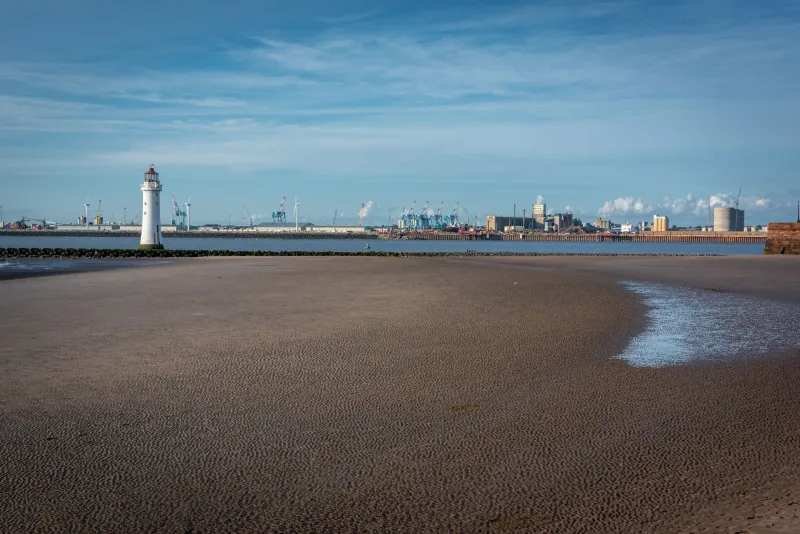
Give yourself a structured half-day at the fort. Start outside: walk the perimeter, look across the mouth of the Mersey and get a sense of scale. Then go into the museum displays and read them as context rather than as a database. Uniforms, photographs, medals, tools and captions can suggest search terms you had not considered. If volunteers are on hand, ask focused questions. They may not be able to research your family for you, but they can point you towards local sources or explain what the site was used for at a particular time.
Bring a notebook and keep a simple timeline. Note the dates of any displays that overlap with your ancestor's likely service. Photograph captions and information panels if the museum allows it, but check signs first. Before travelling, confirm the fort's 2026 opening times and any admission arrangements. Tide times matter too if you want to combine the visit with a beach walk; the Mersey comes in quickly.
Where the records live
For soldiers, start with The National Archives at Kew and its Discovery catalogue. Look for service records, attestation papers, discharge documents and pensions. For local militia and volunteer units, search county record offices and local newspapers as well as national collections. For deaths in service, the Commonwealth War Graves Commission database is essential. For family addresses, census returns and directories are your friends. For local colour, newspapers often describe events at the fort, from inspections to celebrations.
If your ancestor was a merchant seaman or worked on the river, try maritime records, crew lists and port records. If your family kept a pub, shop or boarding house in New Brighton, trade directories and census occupations may tell you more than military records ever will. A negative search is still useful: ruling out a regiment or a street helps you narrow the field.
Turn the day out into a breakthrough
The best family-history days are not always the ones where you find a dramatic document. Sometimes the breakthrough is a better question. Standing at Fort Perch Rock and looking at the river can help you understand why a family settled where they did, why a soldier was posted there or why a civilian worker appears in a local record. Combine that with a planned archive visit and a tidy research log, and a casual day out starts to look like proper genealogy.
Go with three names, two dates and one address. Leave with a shortlist of records to order, a map reference to check and a clearer sense of the world your ancestors lived in. That is a good day at the fort.