Before the First Visitor: A Garrison Day at Fort Perch Rock
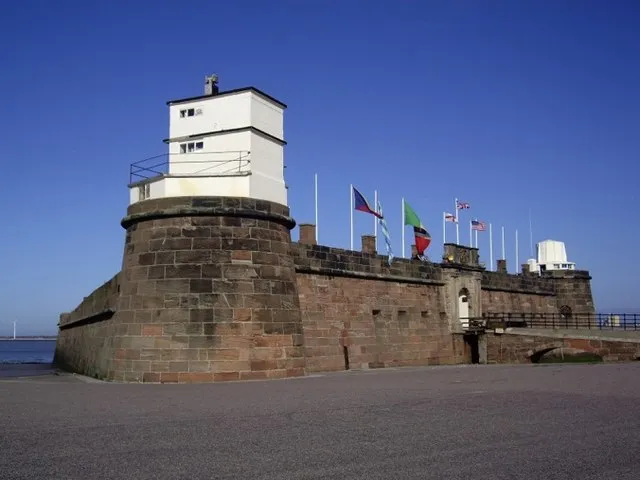
Fort Perch Rock is easy to read as a piece of military hardware. Thick walls, gun positions, a squat profile against the Mersey: it all invites you to think about defence. But a fort is also a building full of people, and the people inside it had ordinary things to do. They ate breakfast, queued for orders, cleaned things, wrote letters, got wet and waited for the next thing to happen.
That everyday side of the fort is the part visitors often miss. When you stand in one of its rooms today, with the wind coming off the water and New Brighton carrying on outside, it is worth asking a simpler question: what would it have been like to wake up here?
First light, first orders
A garrison day did not begin with a dramatic moment. It began with routine. Men would be roused, turned out and checked over. Clothing, kit and bedding all had to pass inspection, and in a building like this the weather made that harder than it sounds. Damp gets into wool and leather. Salt gets into everything. A uniform that looked smart on a dry parade ground could look very different after a night in a casemate with the wind pushing at the shutters.
Breakfast was not a leisurely affair. It was fuel, and it had to fit around the day’s orders. Rations were issued, stored and accounted for. Someone had to keep track of what was in the stores, what had been used and what needed replacing. The fort’s records are not a perfect diary of every meal, but they do remind us that a military site was also a household on a large scale. There were cooks, stores, cleaning rosters and the small arguments that come with any shared kitchen.
For a modern visitor, the temptation is to look straight at the defences. But the first thing a garrison would have thought about was probably far more ordinary: whether the coal had lasted, whether the bread was fresh and whether the boots had dried out overnight.
The fort as a workplace
Once the day was properly underway, the fort settled into its working rhythm. Drill, gunnery practice, maintenance and sentry duty were not separate from daily life; they were daily life. Someone had to check the magazines. Someone had to keep the keys straight. Someone had to walk the same stretch of wall in the same weather, watching the river and waiting for nothing in particular.
The fort was built in the 1820s as part of Britain’s coastal defences, and it later served in different ways across the nineteenth and twentieth centuries. That long life matters. The soldiers who passed through did not all have the same experience. A garrison in the Victorian period, a coastal battery in wartime and a later caretaker or museum team would have found different things to worry about. But they shared the same building, the same narrow stairs and the same view of the Mersey.
Sentry duty is a good example of how strange garrison life could be. On paper it sounds straightforward. In practice it meant standing in the cold, listening to the water, watching the lights of ships and trying to stay alert. The fort was never a remote outpost, though. New Brighton was close by. The town’s pleasure seekers, day-trippers and residents were part of the setting. A soldier on duty could be looking out at the river while, just beyond the walls, people were buying ice cream or waiting for a ferry.
Rules, small and stubborn
Military life runs on rules, and many of them are small. Where to store kit. When to salute. Who holds the keys. What to do if the tide is high, the fog is thick or a visitor is where they should not be. Standing orders would have covered the serious things, but the everyday business of the fort was held together by a web of minor instructions.
Some of those rules would have felt sensible. Some would have felt fussy. That is true of any workplace. The difference is that at Fort Perch Rock, a lapse in routine could matter more than a missed paperwork deadline. A magazine left unlocked, a sentry distracted or a store left damp were not just untidy. They were problems.
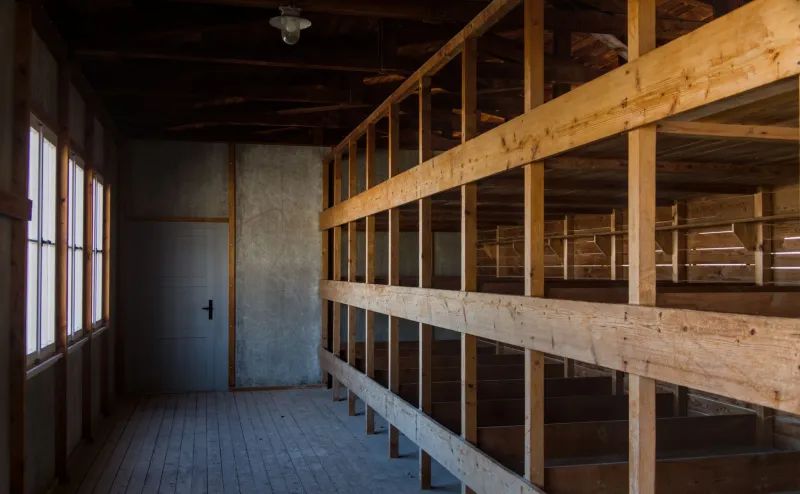
Yet discipline is only half the story. The other half is boredom. Garrison life could be long stretches of routine interrupted by short bursts of activity. Men waited for letters, for leave, for news, for the next change in the watch. The fort’s rooms may look bare now, but they were once filled with the noise of people finding ways to pass the time.
The tide in the room
The Mersey never really stays outside. Even today, visitors notice the wind, the salt and the way the light changes over the water. For a garrison, the weather was not scenery. It was a daily practical problem. Damp bedding, wet boots, foggy windows and salt-crusted metal all had to be dealt with. The tide shaped when boats could move and when the shore looked like one thing or another. A fort built on a rock in a tidal river is always in conversation with the water.
That is one reason the building feels different from a landlocked castle. The sea is not a backdrop here. It is part of the working day. It brought cold, noise and damp. It also brought ships, movement and a sense that the fort was connected to something larger than its own walls.
A human scale
When you visit Fort Perch Rock in 2026, it is worth looking past the labels and the gun positions for a moment. Look at the stairs and imagine carrying stores up them. Look at a window and think about light and draughts. Look at the narrow spaces and ask how many people shared them. The fort was designed to be strong, but it was lived in by people who were tired, cold, hungry or simply waiting for the day to end.
That is the quieter history of the place. Not the drama of what never happened, but the routine of what happened every day: breakfast, orders, duties, weather, letters, meals and sleep. The walls tell one story. The people inside them tell another.