The Kettle, the Keys and the Tide Table: A Working Day with Perch Rock’s Volunteers
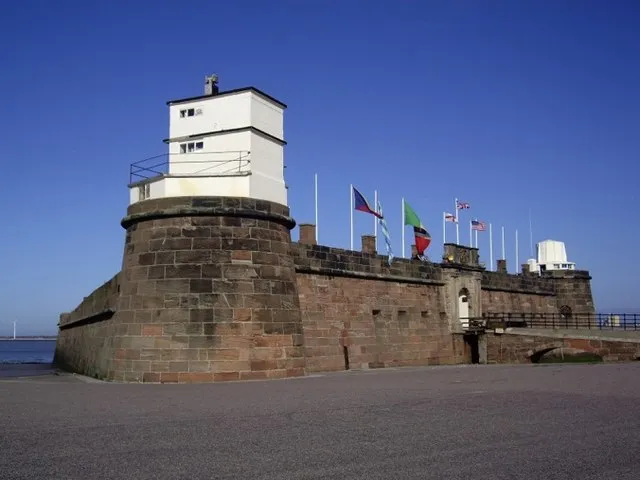
Photo: Tom Pennington, CC BY-SA 2.0, via Wikimedia Commons
Fort Perch Rock looks, from the prom, like a thing that simply exists. Stone, sea, flag, lighthouse nearby, chips within reach. But a heritage site is less a monument than a rota. Somebody has to check the tide table, find the right key, put the kettle on and notice that the handrail by the stairs has worked itself loose again. On a bright November morning in 2026, with the season winding down and the Mersey doing its usual grey-blue shuffle, I tagged along with the volunteers who make a normal day happen.
First Light, First Locks
The day starts before the first visitor and, if you’re sensible, before the first cup of tea. The opening routine is part weather forecast, part tide watch and part common sense. Is the wind pushing spray over the prom? Has the overnight rain left the steps slick? Are the external gates sitting square, or has something shifted in the night? The tide table is consulted the way other people check football scores — quickly, but with feeling.
Inside, it’s lights on, shutters up where needed, signs straightened, ropes checked and the day’s events notes read aloud. The volunteer on front-of-house duty will already be thinking about the questions they’ll get before lunch: where are the toilets, is the lighthouse open, can you get a coffee, why is the fort here at all? The answers are partly in the guidebook and partly in the volunteer’s head after years of practice. The best ones deliver the history without making it sound like homework.
The Jobs You Don’t See on a Postcard
A visitor sees displays, stone walls and a view across the water. Behind the rope, the list is longer: dusting cases, checking labels, rehanging a small sign, sweeping leaves from a corner where leaves always gather, testing torches, replacing a bulb, logging a crack or a damp patch so it can be watched rather than worried about. Heritage volunteering is not all shouting about cannon and consequence. Some of it is very close to housework with a listed-building clause attached.
That is also where the quiet satisfaction lives. A volunteer who has repainted the same bit of railing three times knows the fort in a way a day-tripper never will. They notice which step catches the wind, which corner drips, which display gets the most lingering look from school groups. If you have practical skills — joinery, electrical work, gardening, painting, photography, research, social media, front-of-house calm — there is usually a place for them. You do not need to arrive pretending to be an expert on nineteenth-century coastal defence. Curiosity is the entry requirement. Reliability is the promotion.
Questions from the Prom
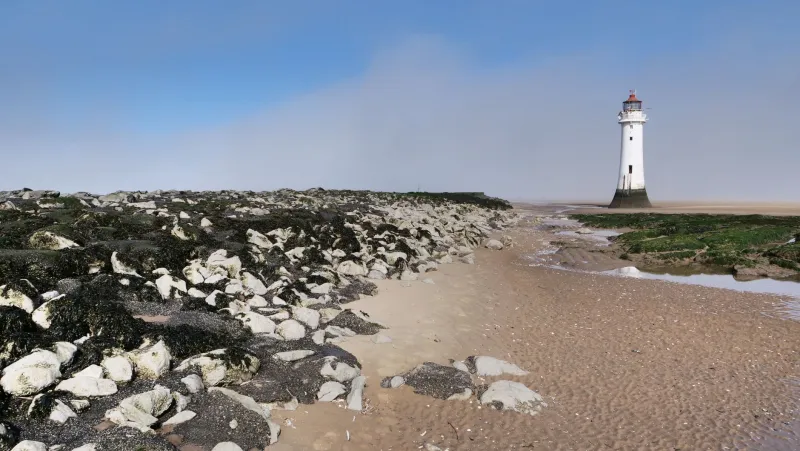
By mid-morning, the prom is moving: dog walkers, runners, families with scooters, someone eating chips with the seriousness of a religious observance. Visitors drift in and out. A volunteer might explain the difference between the fort and New Brighton Lighthouse for the fifth time that week, point a family towards the nearest loos, suggest a sheltered bench, or gently remind someone that the ramparts are not a climbing frame.
Good front-of-house volunteers are part host, part local historian and part safety notice in human form. They read the room. They can tell when a visitor wants the full chronology and when someone just wants to know whether the café is open. They also know when to stop talking and let the place do the work. Standing on the fort’s outer edge, with the wind off the Mersey and the shipping lane sliding past, is usually more persuasive than any speech about defence strategy.
When the Fort Puts On a Show
Fort Perch Rock is not only a museum piece. It has a life as an events venue, and event days are a different beast. Chairs appear. Cables get taped down. Someone checks the sound levels. Someone else checks the exits. Volunteers steward, direct parking, answer the same three questions cheerfully, and keep an eye on the darker corners as the light goes. A gig or a market can make the fort feel like a completely different building — louder, younger, less reverent — and the volunteer team has to flex with it.
That flexibility is the unglamorous heart of the operation. A volunteer might spend one morning cataloguing photographs and the next holding a torch while a colleague investigates a fuse. They might be the person who spots that an accessible route is blocked, or who notices a visitor looking wobbly and finds them a seat. None of this appears on a glossy leaflet. All of it is the difference between a heritage site that works and one that merely stands there.
The Quiet Bit Before Closing
Closing is its own ritual: checking rooms, collecting lost property, emptying bins, securing doors, noting anything that needs attention, counting the donation box and writing up the day in the logbook. The logbook is a small, honest document. It records what broke, what sold, what a visitor asked, what the weather did, and whether the kettle survived. Then the lights go off, the keys turn, and the fort goes back to being a silhouette against the evening sky.
It is easy to romanticise that moment. The volunteers themselves are more likely to be thinking about the bus home, their tea, and the fact that the handrail still needs fixing. That is the reality of caring for a coastal heritage site: romance on the poster, logistics in the diary.
How to Join In Without Pretending You Know About Masonry
If you want to help, start by making contact through the fort’s official website or social channels and ask what they actually need. Volunteer teams tend to value clear offers over vague enthusiasm. Can you do a regular Tuesday morning? Are you happy meeting visitors? Do you have a skill you can teach? Can you help at events without needing to be the centre of attention? There may be taster sessions, open days or specific projects looking for hands.
Donating is just as useful. Use the donation box, buy from the shop, attend events, join any membership or friends scheme the fort runs, and spread the word to people who think New Brighton begins and ends at the fairground. If you visit, respect closures — a shut gate often means maintenance, a private hire or a safety check, not a personal insult. And when you see a volunteer in a fleece, holding a clipboard and looking slightly windswept, remember they are not paid to be there. A thank-you costs nothing and lands surprisingly well.
Fort Perch Rock is a landmark because of its stone, its history and its stubborn place on the Wirral coast. But it stays open because people give up their Saturdays. Next time you walk past, look for the open gate and the person behind it. That’s the fort working as intended.