Six Frames, One Fort: A Phone-Camera Guide to Perch Rock
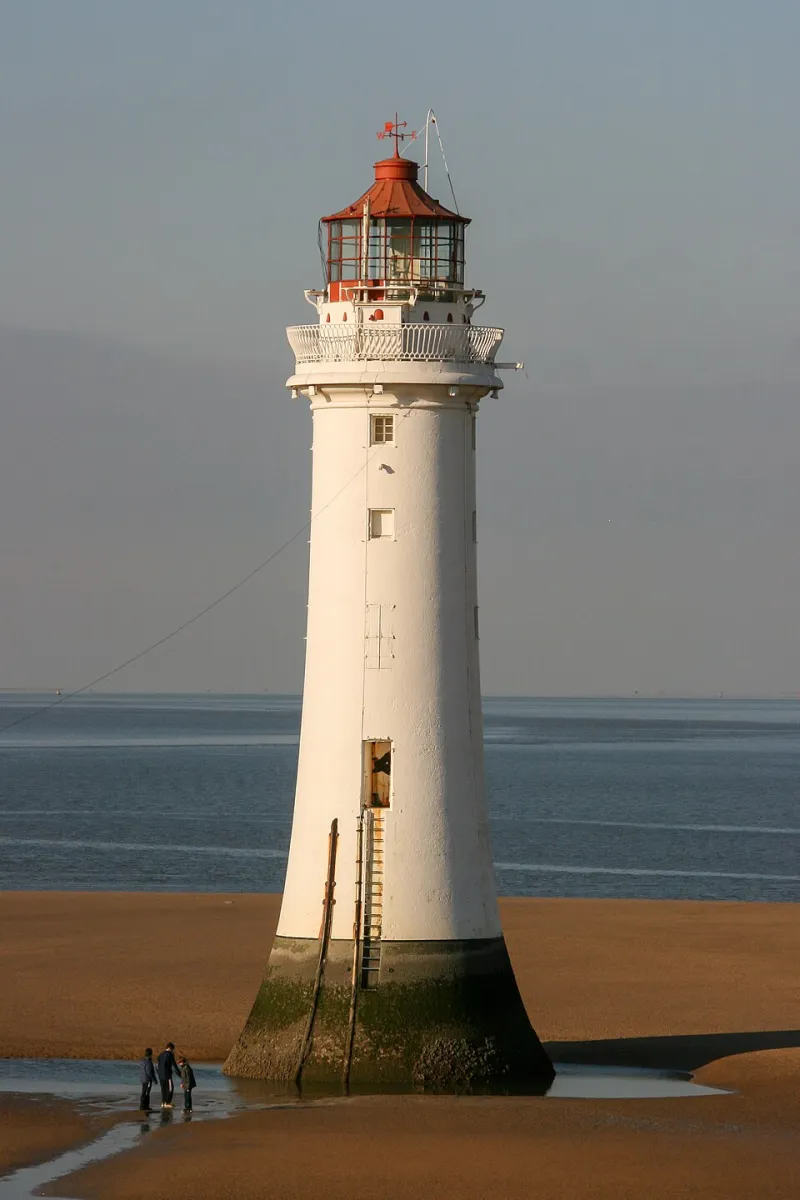
Photo: Photograph by Mike Peel (www.mikepeel.net)., CC BY-SA 4.0, via Wikimedia Commons
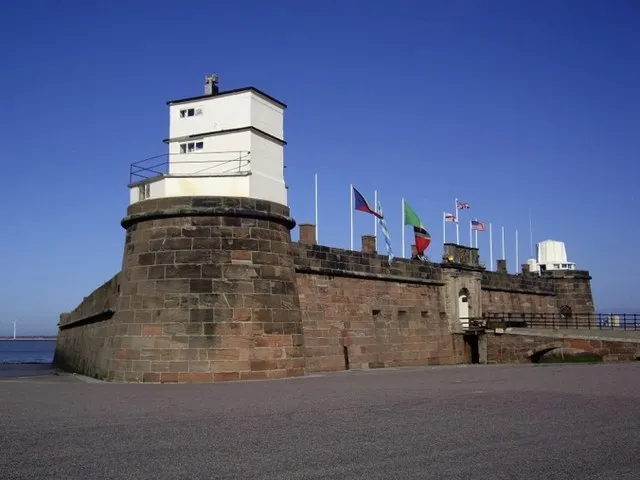
Fort Perch Rock is one of those subjects that flatters almost everyone. It's big, it's symmetrical, it's surrounded by water and sky, and it changes shape and colour with the tide. That's also the problem: thousands of photos of it look identical, taken from the same spot on the prom at the same time of day, with the same slightly grey sky behind it.
This guide is for anyone who'd like to come home with something a bit better than that. Six specific shots, all doable on a phone, each doing a different job of explaining the place.
First, the forty-second setup
Before you take anything: clean the lens with your sleeve (seriously — sea air and sun cream), switch the grid on, and turn off the flash. Learn where your tap-to-focus and exposure slider live, and get into the habit of dragging the exposure down a notch or two. Bright skies over dark red sandstone are exactly the situation where phones over-brighten everything and flatten the stone to mud.
Leave digital zoom alone. If you need to get closer, walk. And if your phone has a 0.5x ultrawide, keep it for one shot only — it distorts the edges, which is thrilling once and tiresome twice.
1. The ramp as a leading line
Stand at the foot of the ramp on Marine Promenade and shoot straight up it, low to the ground, with the walls converging towards the fort's entrance. Kneel if you have to. Ultrawide works here, held level so the verticals don't splay.
When: an hour or so either side of low tide, so the ramp is clear and the sand is doing something interesting on either side. Morning gives you soft, even light; late afternoon gives you long shadows raking across the ramp.
Phone tip: tap on the fort, not the sky, then drop exposure until the sandstone looks like sandstone. You want the wall dark and rich, not chalky.
2. Fort and lighthouse in one frame
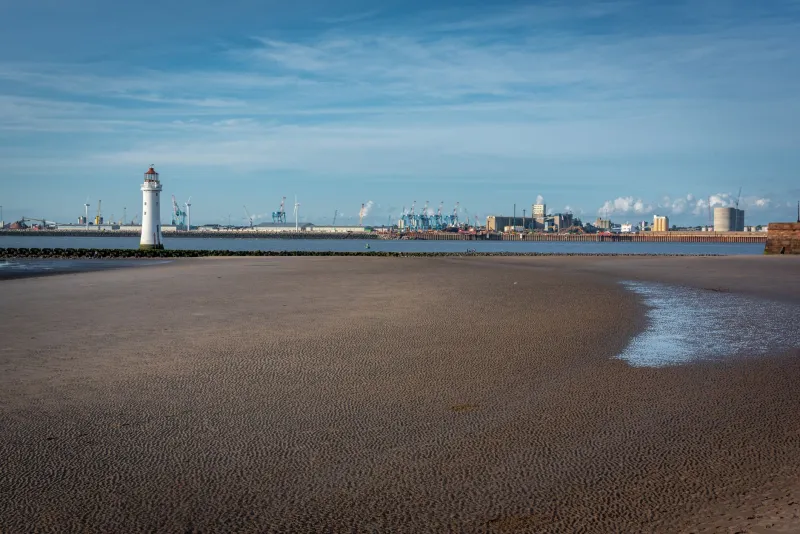
This is the shot that says 'New Brighton' without a caption. From the promenade on the southern side, looking north, you can get the squat bulk of the fort and the slender tower of the Perch Rock lighthouse in the same picture, with the river running behind them. It's the pairing that explains the whole headland: one structure built for war, one for shipping, both planted on the same shifting sand.
When: mid to high tide, when there's water in the frame and not a wide expanse of mud. Golden hour if you can get it — the lighthouse goes warm and the fort goes almost purple.
Phone tip: shoot in landscape, put the fort on the left third and the lighthouse on the right, and keep the horizon level. If the sky is dull, crop tighter into a square instead of leaving acres of grey.
3. Stone up close
Step in. Fill the frame with a few courses of coursed red sandstone, a rusting bolt, a worn threshold, a bit of old ironwork. This is the shot that no one else will have.
When: hard midday sun is your friend here — it carves out texture and shadow in a way soft light never will. That's the opposite of what you want for the wide shots, so plan for it.
Phone tip: use portrait mode for the shallow depth of field, or just get close and tap to focus manually. Avoid zooming; get physically nearer and hold steady.
4. The mirror in the sand
When the tide pulls back, the beach around the rock leaves behind shallow pools and a wet skin of sand that behaves like a very good mirror. Get down low behind a pool and shoot the fort's reflection with a sliver of real fort at the top of the frame.
When: within an hour or so of low water, before the surface dries. Windless days are essential — a breeze and the reflection breaks up.
Phone tip: you can flip the image afterwards if you'd rather have the reflection on top. Keep the camera absolutely level and parallel to the water, and use the grid to hold the horizon.
5. Blue hour and the lamp
Stay later than the day-trippers. As the light goes, the fort becomes a silhouette and the lighthouse lamp starts doing its thing. Twenty minutes after sunset is the sweet spot: enough colour left in the sky to hold detail, enough dark to make the lights matter.
When: check sunset times and arrive early — the good window is short. A bit of cloud is better than a clear sky.
Phone tip: this is the one time to use night mode properly. Rest the phone on a wall or railing, brace your elbows, and don't breathe. If your phone lets you, trigger the shutter with the volume button so you don't jog the screen.
6. Something for scale
A fort with nobody in it is a lump. A fort with one small figure on the ramp is a building. Wait for a person, a dog, a gull, even a pram, and let them occupy the bottom corner of the frame while the walls do the rest.
When: any decent light; weekends and school holidays make the waiting easier.
Phone tip: burst mode, then pick the frame where the figure is exactly where you want them. Always ask before photographing a stranger's face — or better, shoot them from behind, small in the frame.
The polite bit, and the tides
A few small courtesies keep this place good for everyone. Don't stand in the middle of the ramp for ten minutes with a tripod; let people past. Don't climb on the rock, the walls or the breakwater for a better angle — it's genuinely dangerous and it damages the fabric. Ask volunteers before you photograph them or their displays, and don't block the entrance while you fiddle with settings.
And do check a tide table before you go. The beach, the pools and half these compositions only exist at certain states of the tide, and the water comes back faster than most people expect. A camera is a poor excuse for getting your feet wet.